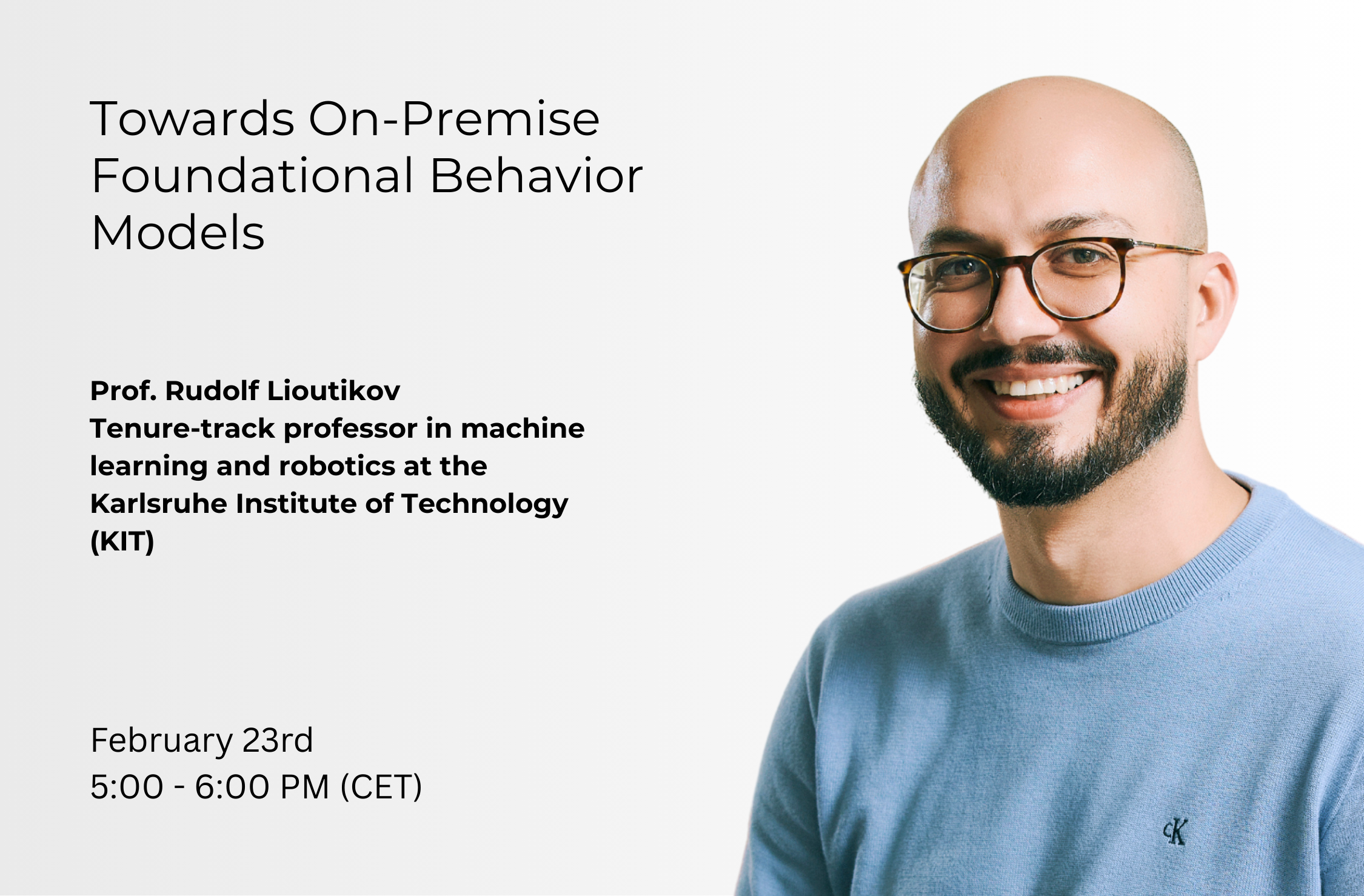
The topic “Towards On-Premise Foundational Behavior Models” explored how recent breakthroughs in generative AI could be translated into practical, deployable intelligence for robotic systems. While diffusion models and vision-language models promised powerful, generalizable robot behavior, existing approaches were often too large, slow, data-hungry, and privacy-sensitive for real-world use. In this webinar, Rudolf Lioutikov presented recent advances that dramatically reduced model size, data requirements, and training and inference costs—spanning score-based diffusion, vision-language-action models, and action tokenization—charting a clear path toward efficient, privacy-preserving, on-premise foundational behavior models for robotics.

WEBINARS
Discover the future of robotics and AI with our webinar series, hosted by Sven Parusel, Senior Vice President for Academia and Research of Franka Robotics.
With an extensive global network of top researchers, Sven Parusel brings together groundbreaking discoveries and influential insights in robotics.
Each month, he spotlights leading researchers whose work with Franka robots is transforming today’s innovations into tomorrow’s breakthroughs.
Join us to explore cutting-edge advancements and connect with the minds shaping the future of robotics!
TOWARDS ON-PREMISE FOUNDATIONAL BEHAVIOUR MODELS
by Prof. Rudolf Lioutikov
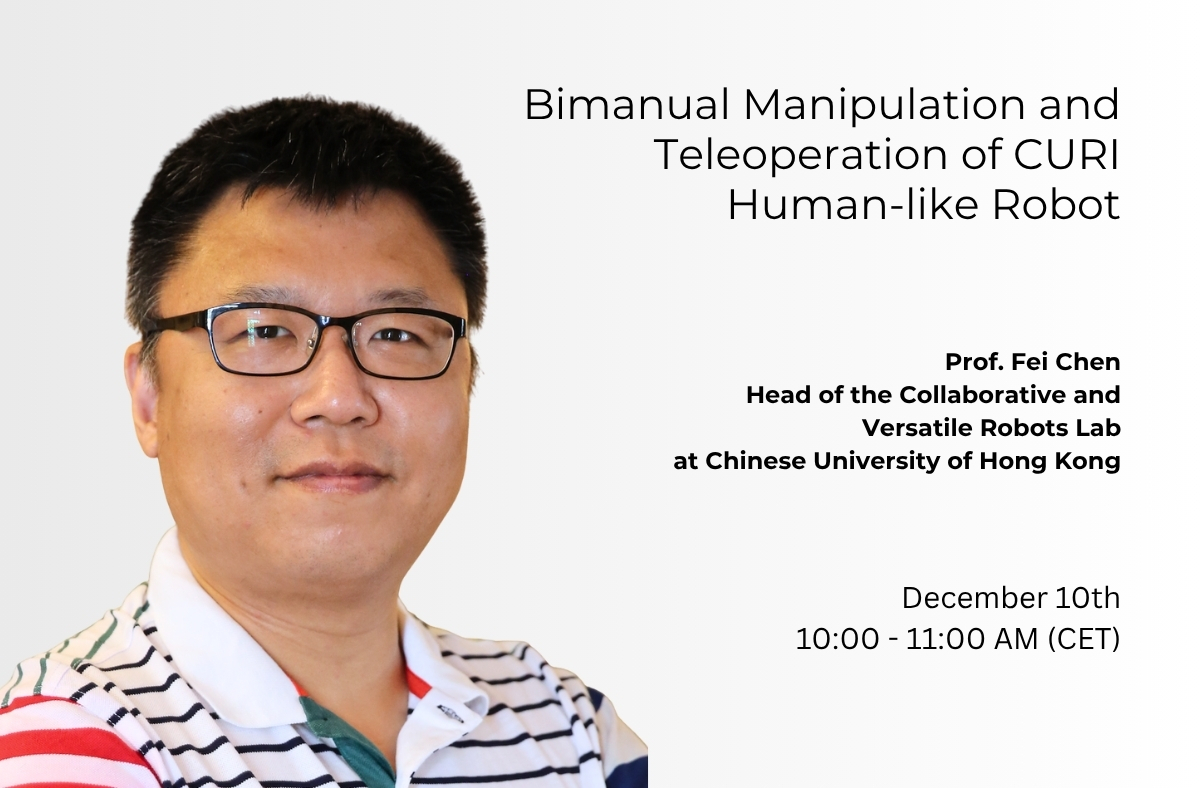
BIMANUAL MANIPULATION AND TELEOPERATION OF CURI HUMAN-LIKE ROBOT
by Prof. Fei Chen
Prof. Fei Chen, Head of the Collaborative and Versatile Robots Laboratory at The Chinese University of Hong Kong, focuses on humanoid bimanual manipulation and human-robot collaboration. Before joining CUHK, he led research at the Italian Institute of Technology and contributed to numerous international projects. With more than 100 publications, he is also actively involved in the IEEE community.
In his talk on bimanual manipulation and teleoperation of the CURI human-like robot, he showed how advanced control and interaction strategies are shaping the next generation of intelligent and versatile robotic systems.
THE DYNAMICS OF FLUID INTERACTION: SAFE, ADAPTIVE AND COMPLIANT ROBOT INTELLIGENCE
by Prof. Nadia Figueroa
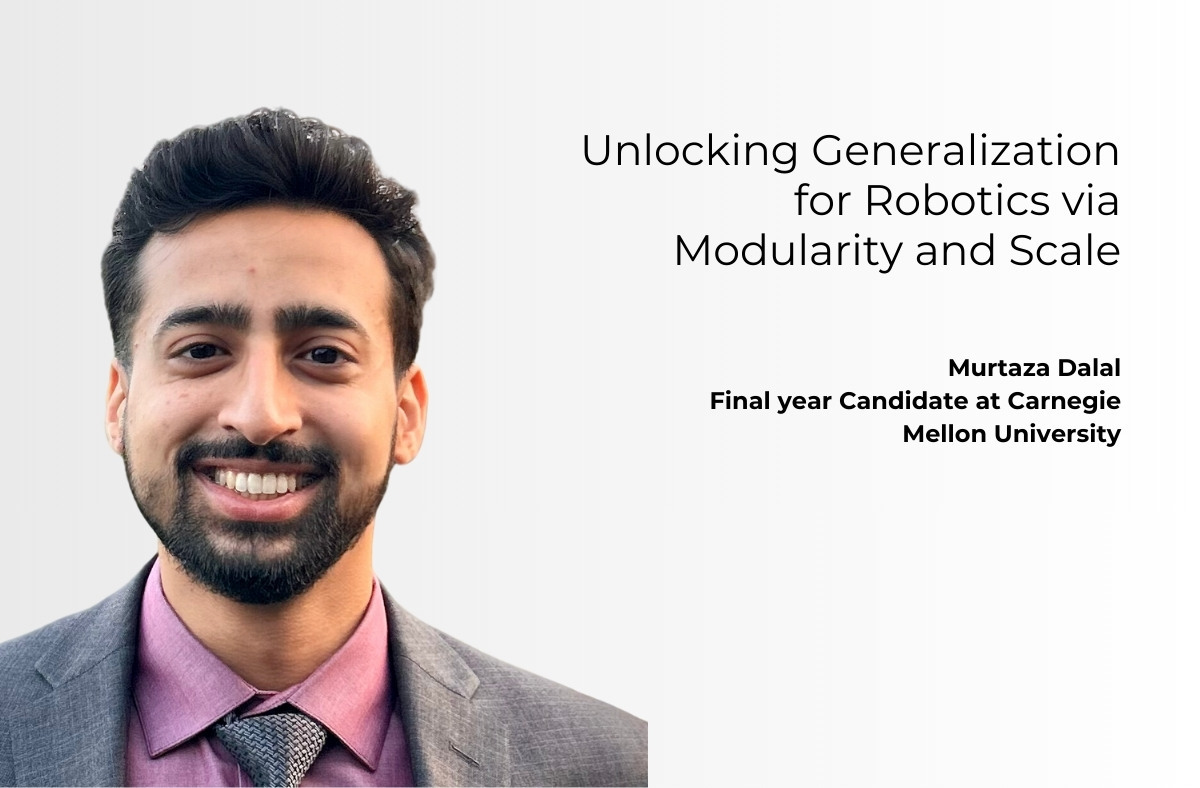
UNLOCKING GENERALIZATION FOR ROBOTICS VIA MODULARITY AND SCALE
by Murtaza Dalal
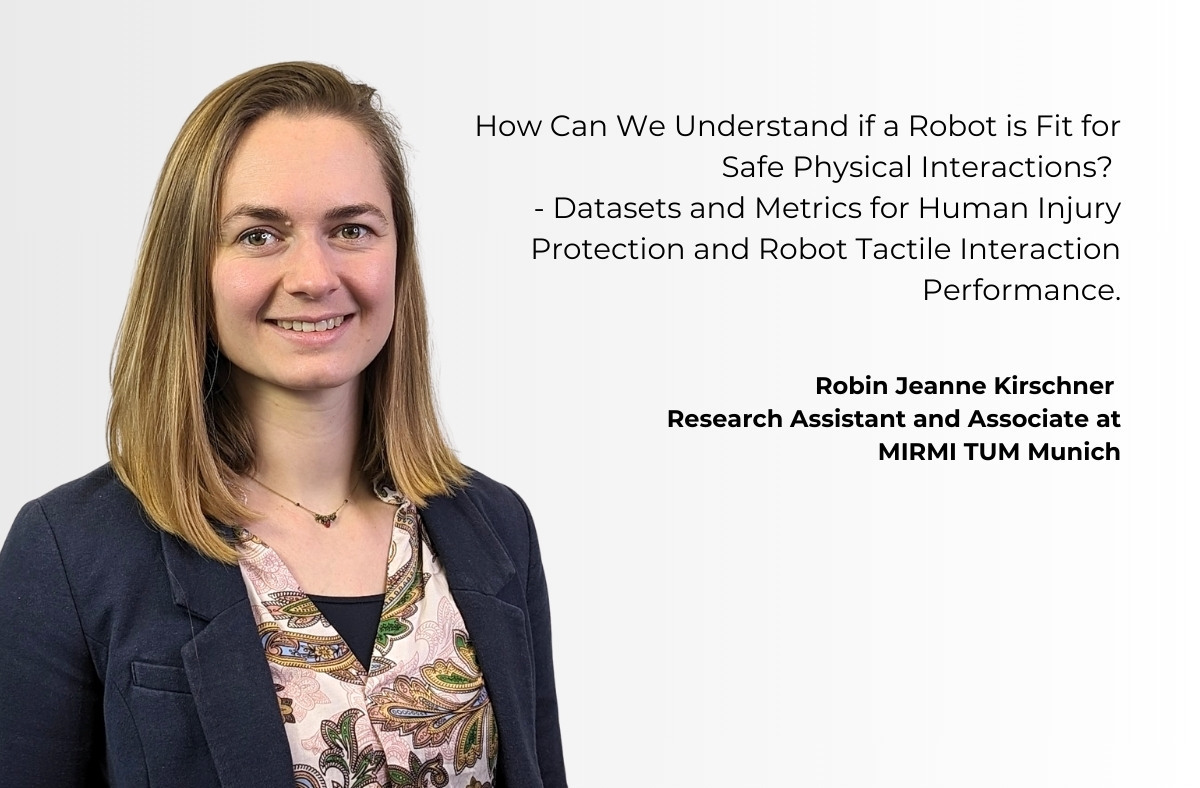
HOW CAN WE UNDERSTAND IF ROBOTS ARE SAFE FOR PHYSICAL INTERACTIONS?
by Robin Jeanne Kirschner
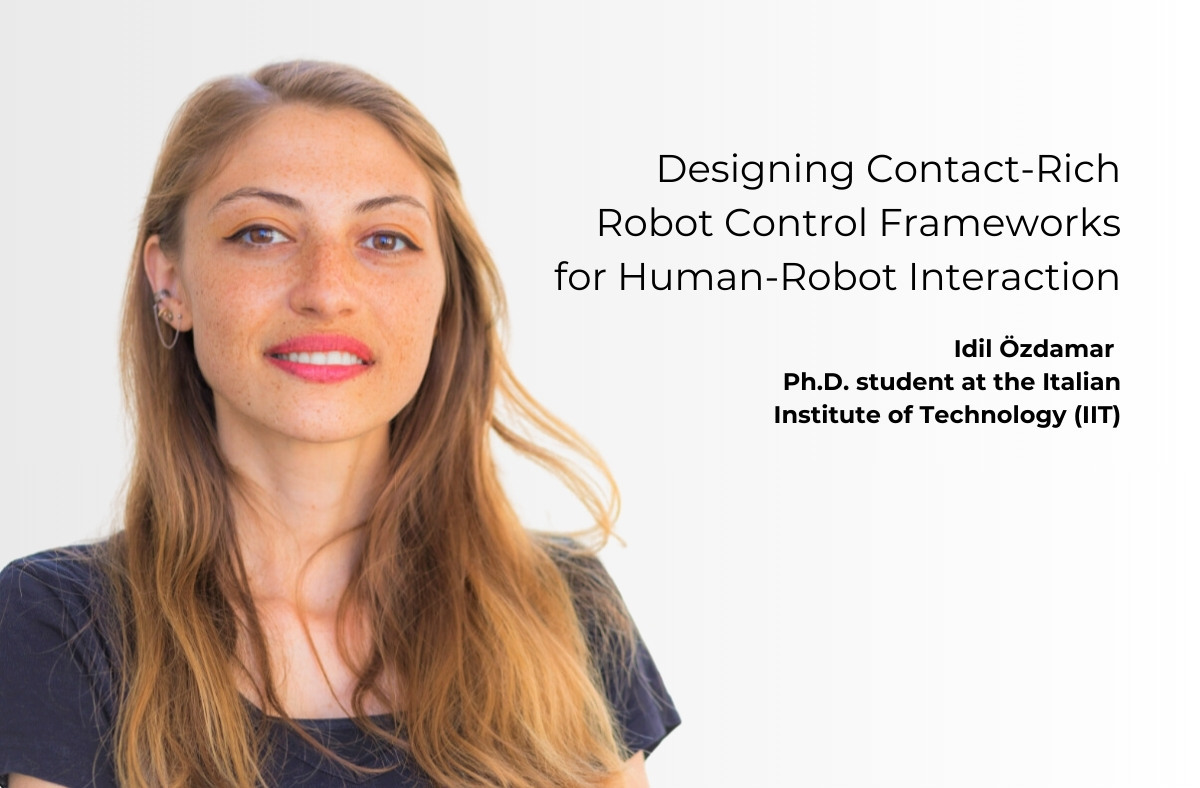
DESIGNING CONTACT-RICH ROBOT CONTROL FRAMEWORKS FOR HUMAN-ROBOT INTERACTION
by Idil Özdamar
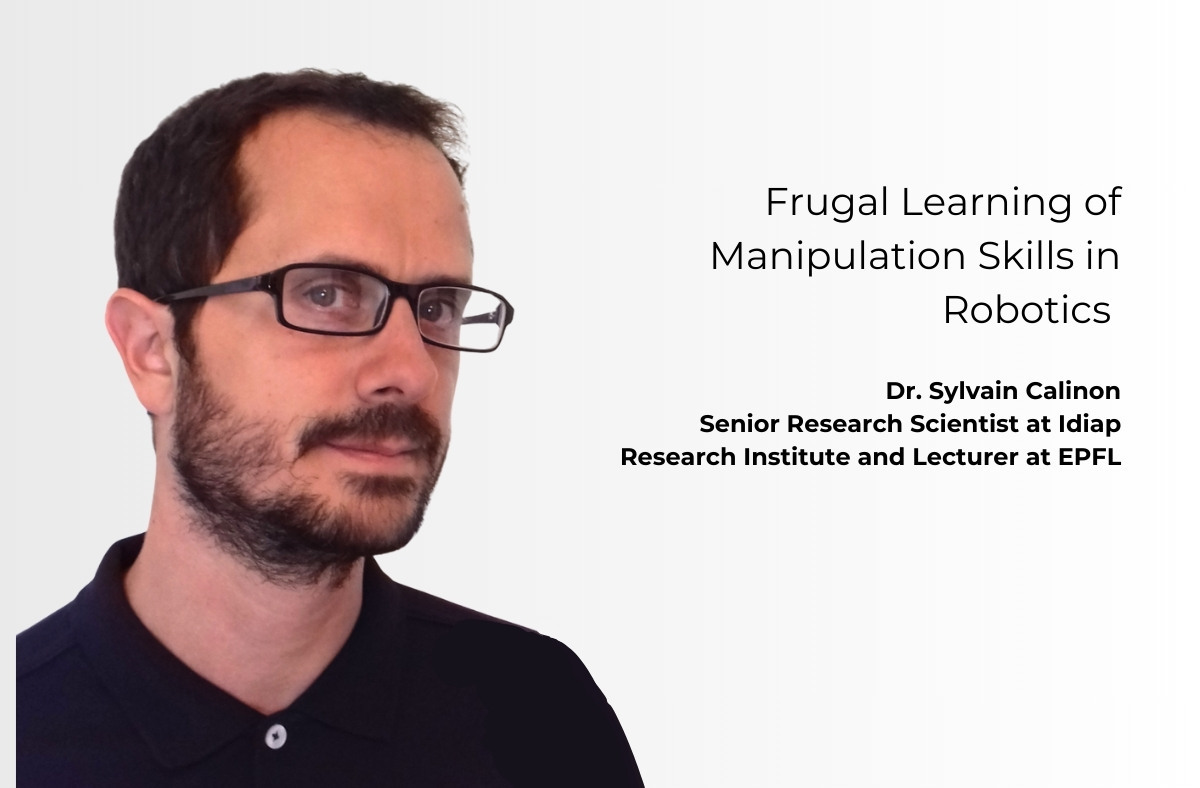
FRUGAL LEARNING OF MANIPULATION SKILLS IN ROBOTICS
by Dr. Sylvain Calinon